Aether Bhutan Tours and Travel

Thimphu, Bhutan   |   +975 77391059   |   sonamnamdrel000@gmail.com
When to Come

Best time to visit Bhutan

There is no bad season here — only different ones. What changes is what you get, and what you give up.

The short answer

It depends what you
came for

If you want the Himalaya — the real thing, sharp against a blue sky — come in late autumn. October and November have the clearest air of the year, and it is not close.

If you want the valleys largely to yourself, come in winter or during the summer monsoon. You will trade some views for monasteries you can stand in alone.

If you want colour — rhododendron on the passes and the biggest festival in the west — come in spring.

Most people come in autumn. It is the right answer often enough that it has become the default, but it is not the right answer for everyone, and we will say so if it isn’t yours.

Season by season

The four seasons, honestly

Including what each one costs you.

Spring

March – May
Warm days, cool mornings

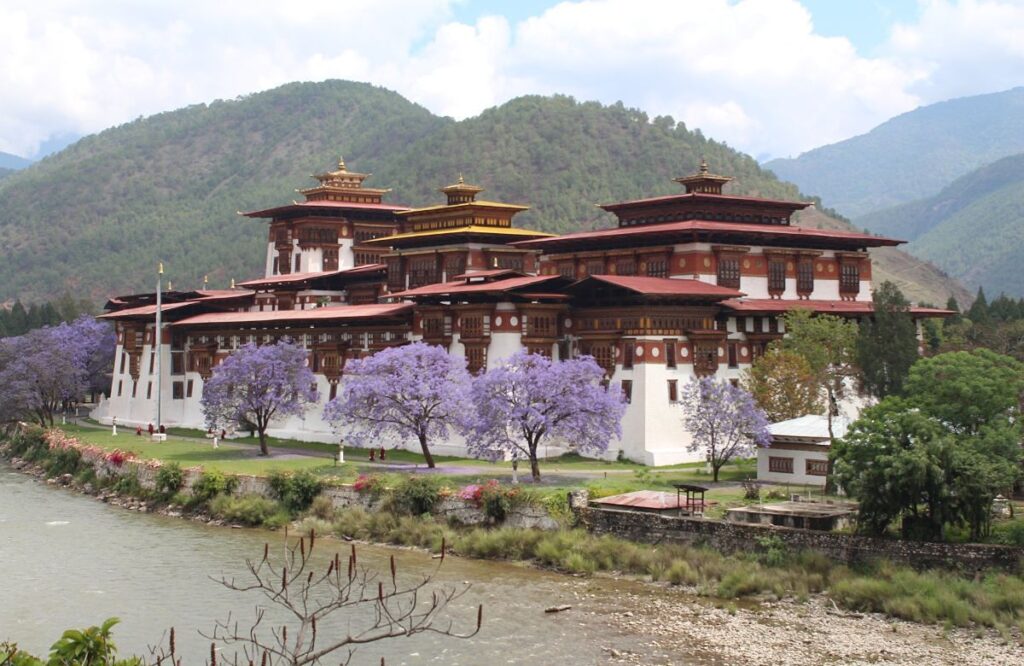
Rhododendrons open across the high passes and the valleys turn. Paro Tshechu falls in spring and fills the dzong courtyard for several days — the largest festival in western Bhutan. Afternoons can haze over, so mountain views are less reliable than in autumn. Good for trekking from April.

Summer

June – August
Warm, wet, very green

The monsoon. It rarely rains all day — more often heavy afternoons and clear mornings — but the high peaks stay hidden behind cloud for much of it. In exchange you get the greenest valleys of the year, fruit on the trees, and remarkably few other visitors. Leeches on forest trails. The cheapest season.

Autumn

September – November
Clear, dry, bright

The best of it. Skies clear after the monsoon and the Himalaya appears properly — Jomolhari and Jichu Drake from the passes, the whole range from Dochula on a good morning. Thimphu Tshechu falls in September, Black-Necked Crane Festival in November. This is peak season and lodges book out months ahead.

Winter

December – February
Cold, sharp, empty

Cold at altitude and genuinely quiet. Snow closes the highest passes at times, but the western valleys stay accessible and Punakha is warm enough to be pleasant. Black-necked cranes are in Phobjikha from late October to February. You can stand alone in monasteries that are shoulder-to-shoulder in October.

Month by month

A quick calendar

Skim for your dates.

January

Cold and clear. Cranes in Phobjikha. Very few visitors.

February

Still cold, still quiet. Punakha Drubchen and Tshechu late in the month.

March

Spring begins. Rhododendron starts low. Paro Tshechu in March or April.

April

Excellent. Warm, flowering, good trekking. Second-busiest month.

May

Warm and increasingly hazy. Green. Rhododendron high on the passes.

June

Monsoon arrives. Lush, humid, few people, low prices.

July

Wettest. Mountain views unlikely. Fine for culture, poor for trekking.

August

Rain easing late. Very green. Still quiet.

September

Skies clear. Thimphu Tshechu. Peak season begins.

October

The best month, by most measures. Book far ahead.

November

Clear and cold. Cranes arrive. Black-Necked Crane Festival on the 11th.

December

Cold, bright, empty. Excellent value.

Festival dates follow the Bhutanese lunar calendar and move each year. We confirm exact dates when you plan.

Choosing

Pick by what matters most

Rather than by what is popular.

For mountain views

Late October to early December, or March. Dochula and Chele La on a clear morning are what you came for.

For festivals

Paro Tshechu in spring, Thimphu Tshechu in September. Book eight to ten months out — these fill first.

For solitude

June to August, or January. You will share Taktsang with a fraction of the autumn crowd.

For trekking

April to early June, or late September to November. Anything else is a gamble with weather or snow.

For the cranes

Late October to mid-February in Phobjikha. The festival is on 11 November each year.

For value

The monsoon months and deep winter. Lodges are quieter and rates reflect it.

Plan around it

Tell us when you can travel

Give us your window and we will tell you what it will actually be like — and whether shifting by a fortnight would change your trip.