A country of valleys
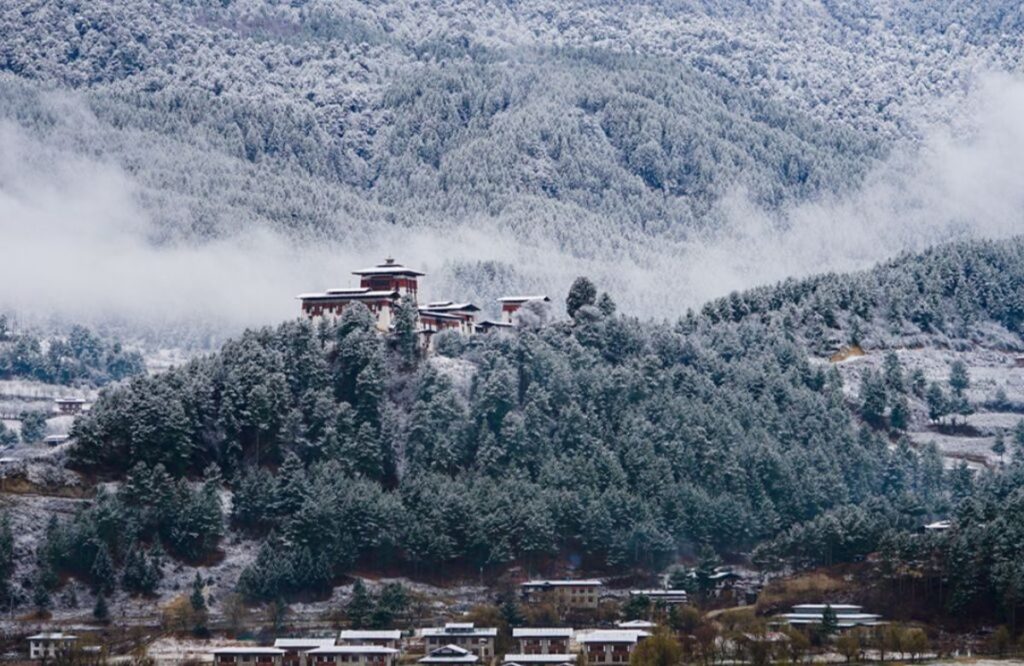
Bhutan is not toured in a straight line. It is a chain of valleys, each separated by a pass, each with its own weather, dialect and temperament.
How the country fits together
Almost everything a first visit covers lies in the west. Paro, Thimphu and Punakha sit within a few hours of one another, separated by passes at around 3,000 metres. Head east and the drives lengthen quickly — Bumthang is a long day from Punakha, and the far east another two beyond that.
There is no railway. Domestic flights exist but are few and weather-dependent. So the arithmetic is simple and worth understanding before you plan: the further east you go, the more days you need — and the fewer other travellers you will meet.
Our advice, almost always, is to go slower rather than further. Three valleys properly is better than six from a car window.
The western valleys
Where nearly every journey begins. Short drives, the great dzongs, and the Tiger’s Nest.
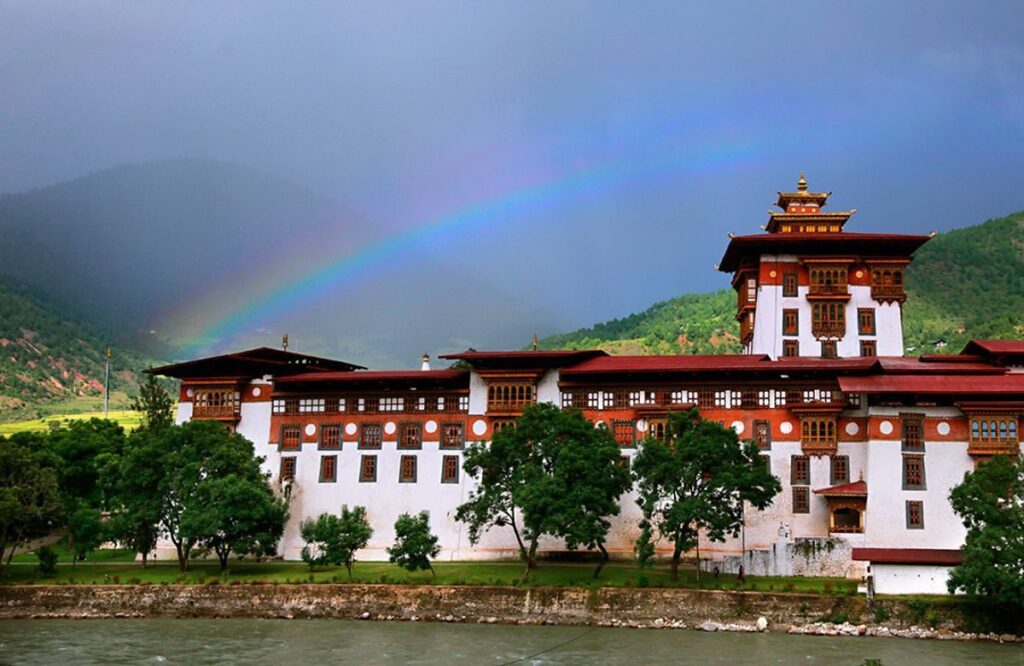
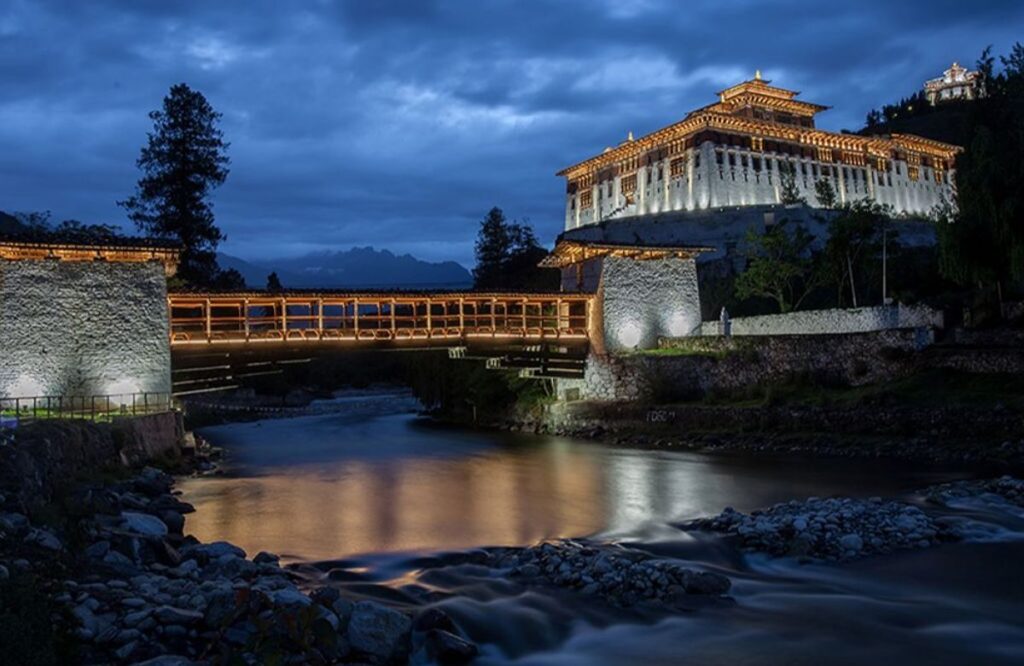
The valley you land in, and the one most people bookend their journey with. Rinpung Dzong stands above the river; the National Museum occupies a round watchtower above that. The climb to Taktsang — the Tiger’s Nest — starts here and takes most of a morning. The light in this valley at either end of the day is the best in the country.
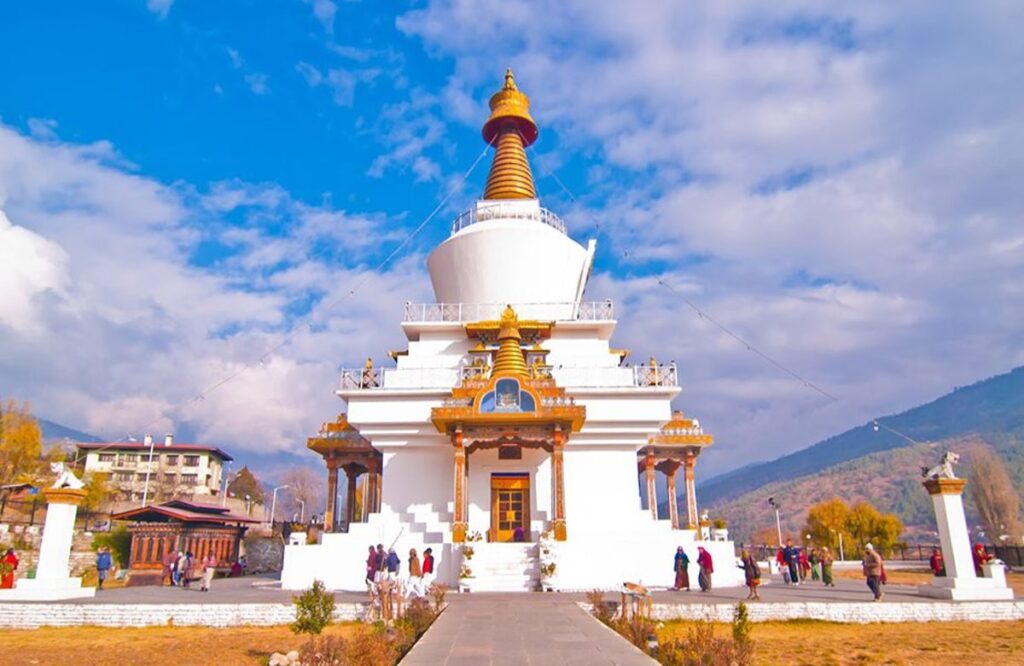
The capital, and the only one in the world without a single traffic light — a policeman directs the main junction by hand, in white gloves. Buddha Dordenma looks down from the ridge. Come at a weekend for the market, which is where the whole city goes on Saturday morning.
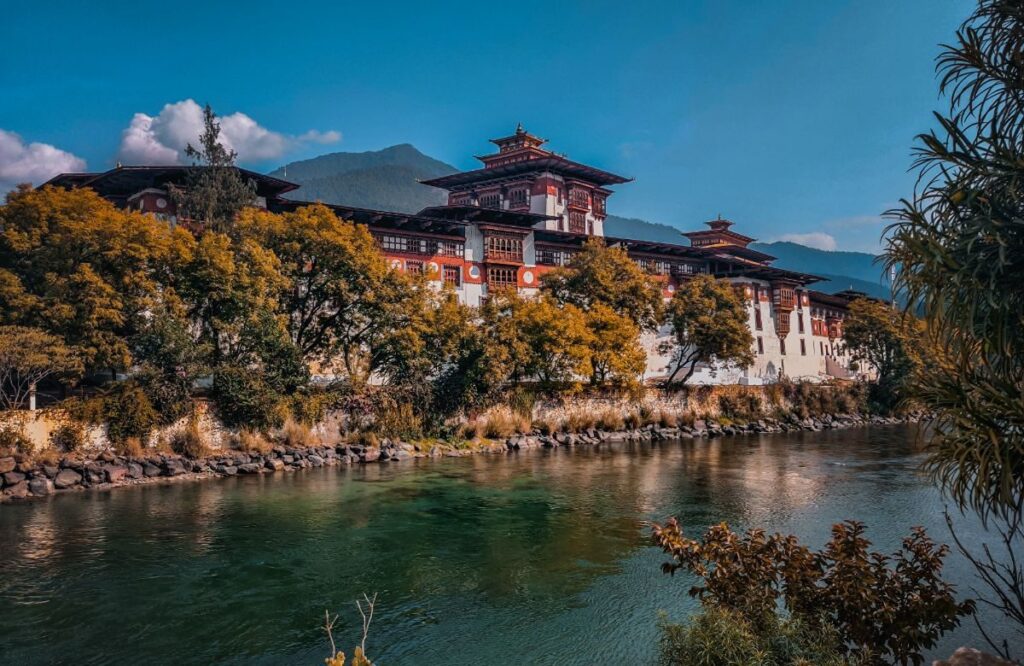
Over the Dochula pass, where 108 chortens stand and the Himalaya appears on a clear morning. Punakha Dzong sits at the confluence of the Pho Chhu and Mo Chhu and is the most beautiful building in Bhutan — nobody seriously argues otherwise. Low, warm, and terraced with rice.
The valley almost nobody visits. It opened to foreign travellers only in 2002 and still sees a fraction of Paro’s numbers. Reached over the Chele La — the highest motorable pass in the country — through hemlock forest and, in spring, rhododendron.
Central Bhutan
A day’s drive further, and a noticeably quieter country. Add three or four nights.
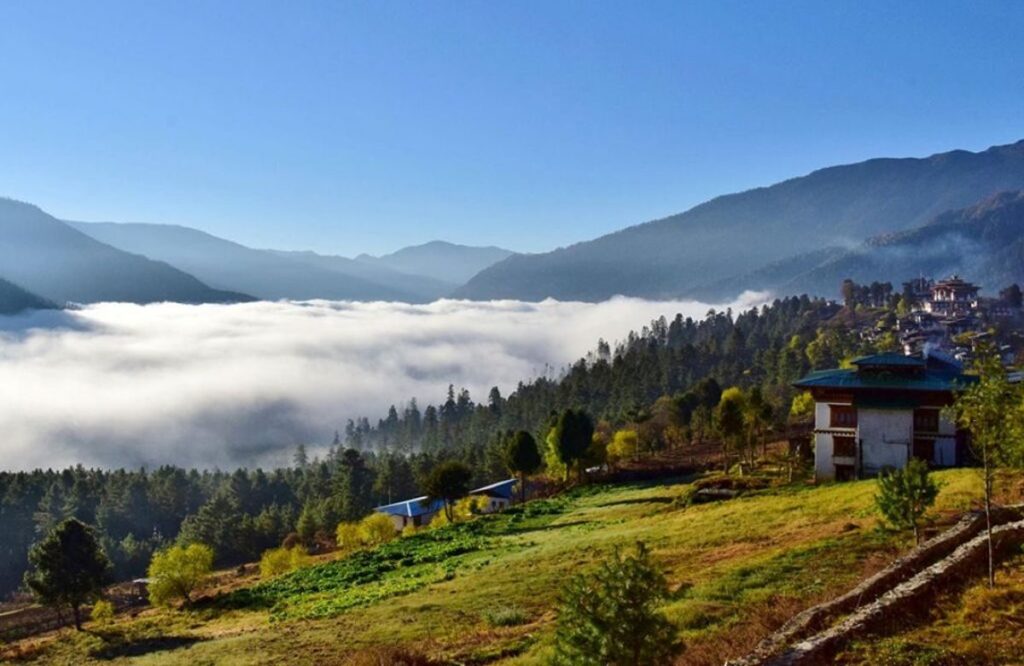
A glacial bowl, wide and treeless and cold, where black-necked cranes winter from late October. The power lines here were buried underground so the birds would not strike them. Gangtey Goenpa sits at the head of the valley.
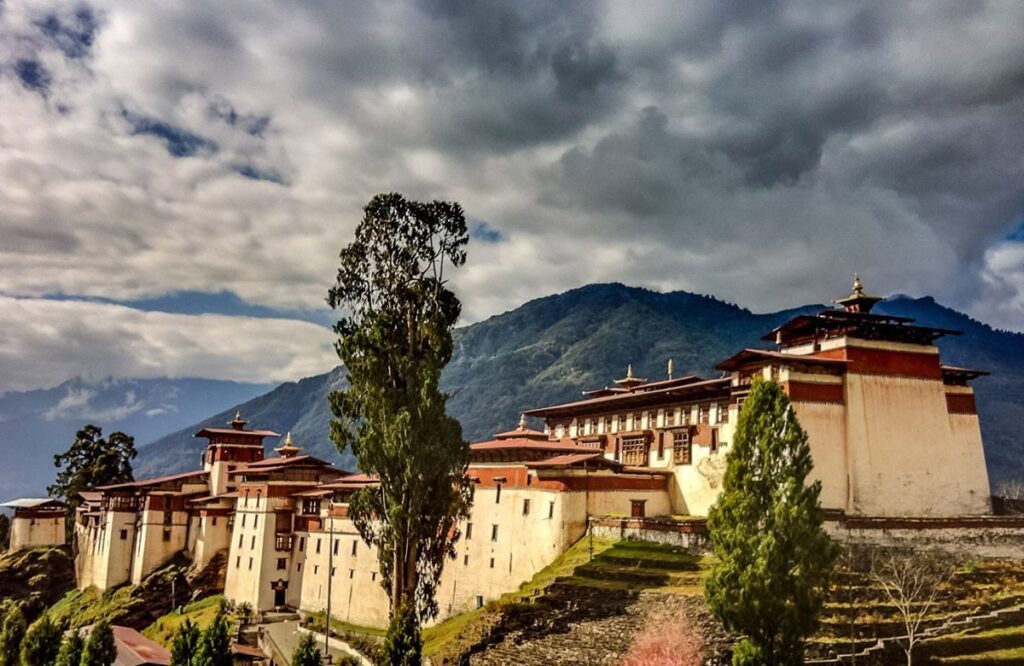
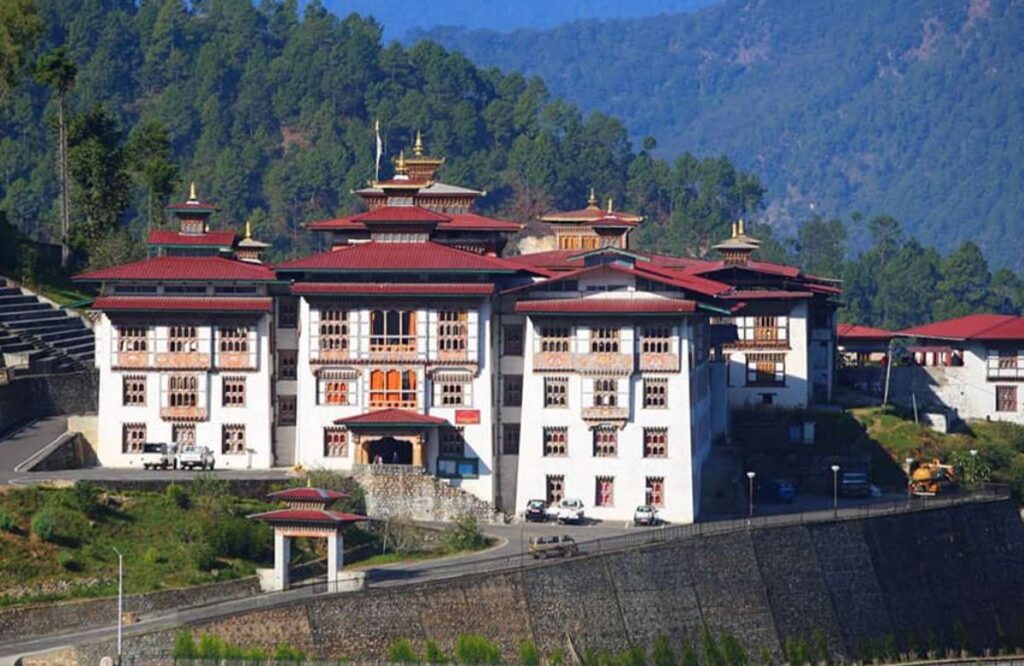
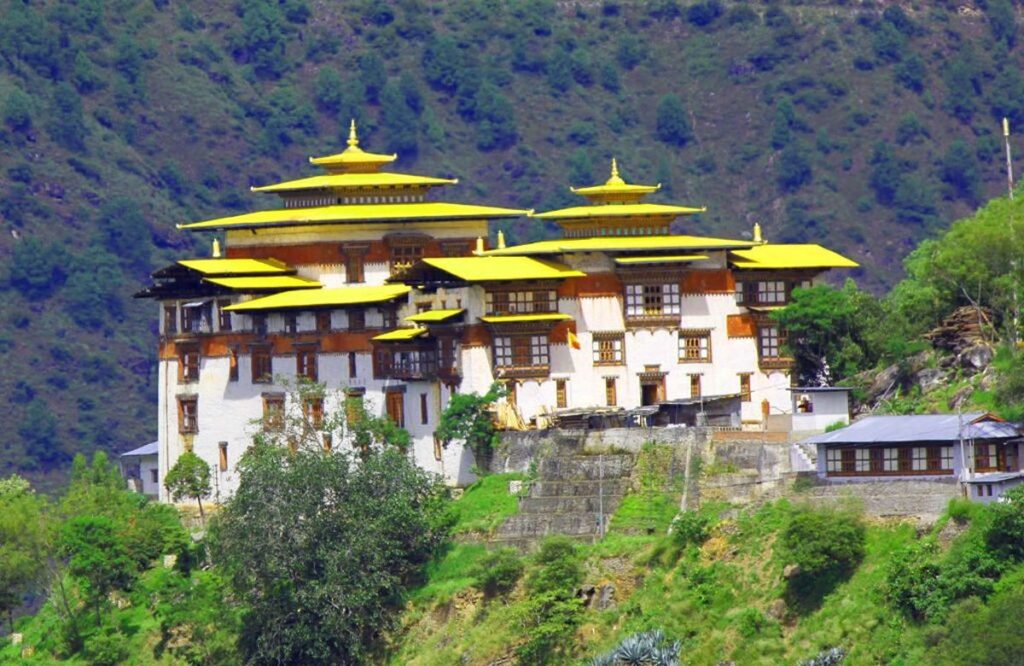
The ancestral seat of the monarchy — every king is invested as Trongsa Penlop before taking the throne. The dzong is strung along a ridge above a gorge and is the largest in Bhutan. Most people drive past it; they shouldn’t.
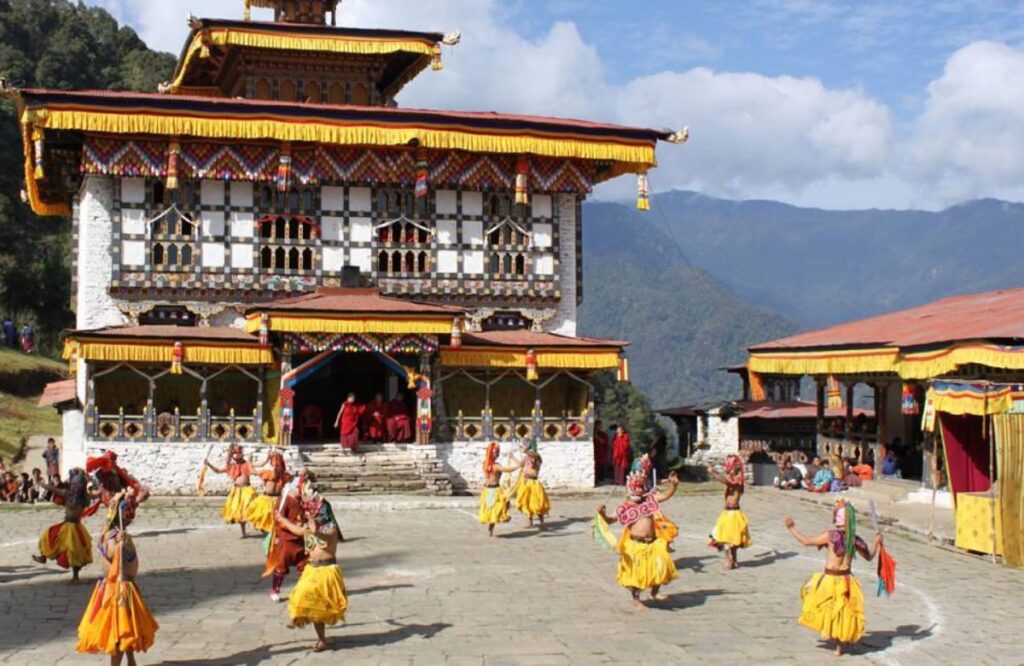
Four valleys — Chokhor, Tang, Ura and Chhume — holding some of the oldest temples in the kingdom, Jambay Lhakhang and Kurjey Lhakhang among them. This is the spiritual heart. Also buckwheat, apples, cheese and the country’s first brewery.
Eastern Bhutan
Long drives, few visitors, and the best textiles in the Himalaya. For second visits, or travellers with time.
The road in is the point — carved along cliff faces, through cloud forest, one of the most dramatic drives in the Himalaya.
The largest town in the east and the junction for everything beyond it. Dzong on a spur above the Drangme Chhu. Warm, low, and genuinely off the tourist map.
The ancestral home of the royal family and the centre of Bhutanese weaving — kishuthara, the most intricate textile in the country, is woven in these villages.
How long do you need?
The honest answer depends on how much driving you are willing to do.
5 – 7 nights
Paro, Thimphu and Punakha. The Tiger’s Nest, two great dzongs and the Dochula pass, at a pace that still allows a slow morning.
8 – 10 nights
Add Phobjikha or Bumthang. This is the sweet spot — far enough to feel the country change, short enough not to live in the car.
12 nights +
Central and eastern Bhutan, a trek, or a festival timed properly. Fewer people go this far, which is rather the point.
Which valleys are yours?
Tell us how long you have and what you want from it. We will tell you honestly which valleys are worth your days — and which are not.