Beneath the Mountain Goddess
Twelve days, with seven walking to Jomolhari base camp and back
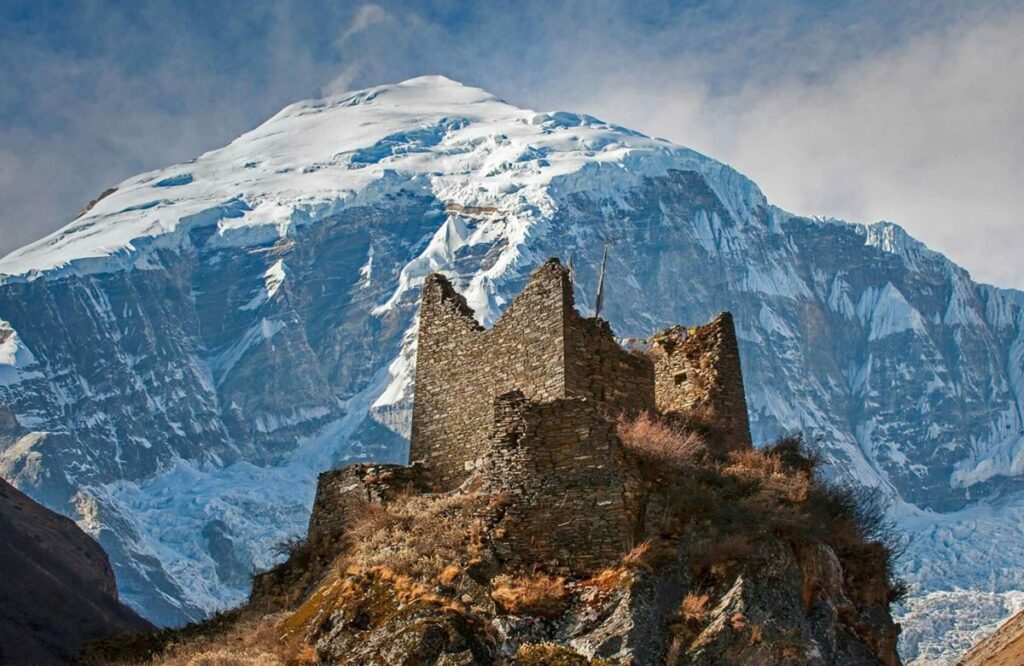
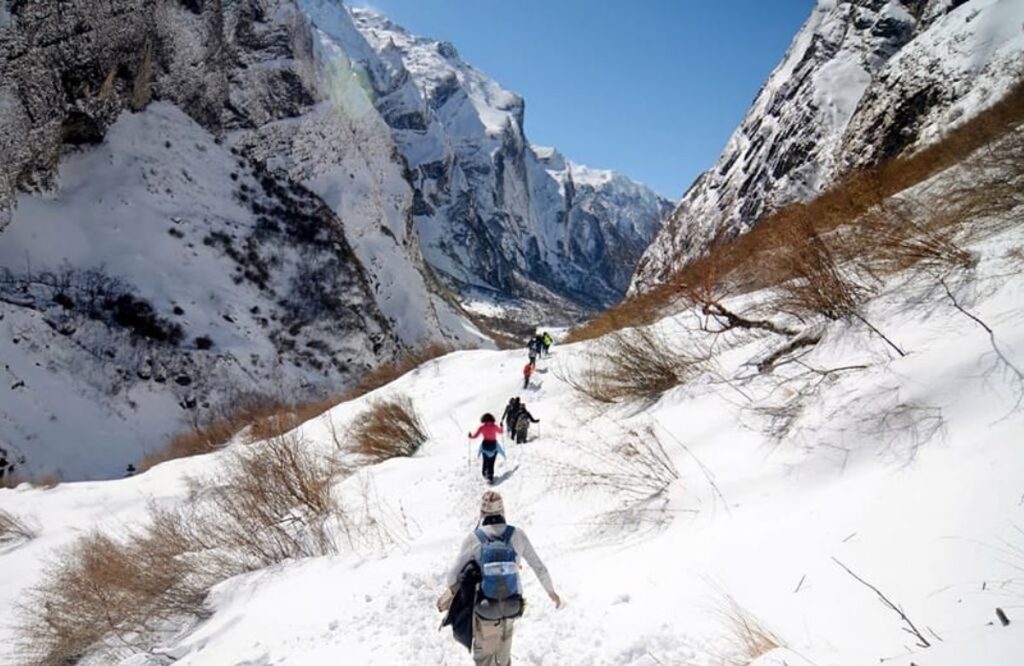
Jomolhari is 7,326 metres and unclimbed — mountaineering above 6,000 m is prohibited in Bhutan, so it stands exactly as it always has. This trek walks up the Paro Chhu to its base camp at Jangothang, spends a full day beneath the north face, and returns over a pass at 4,890 metres.
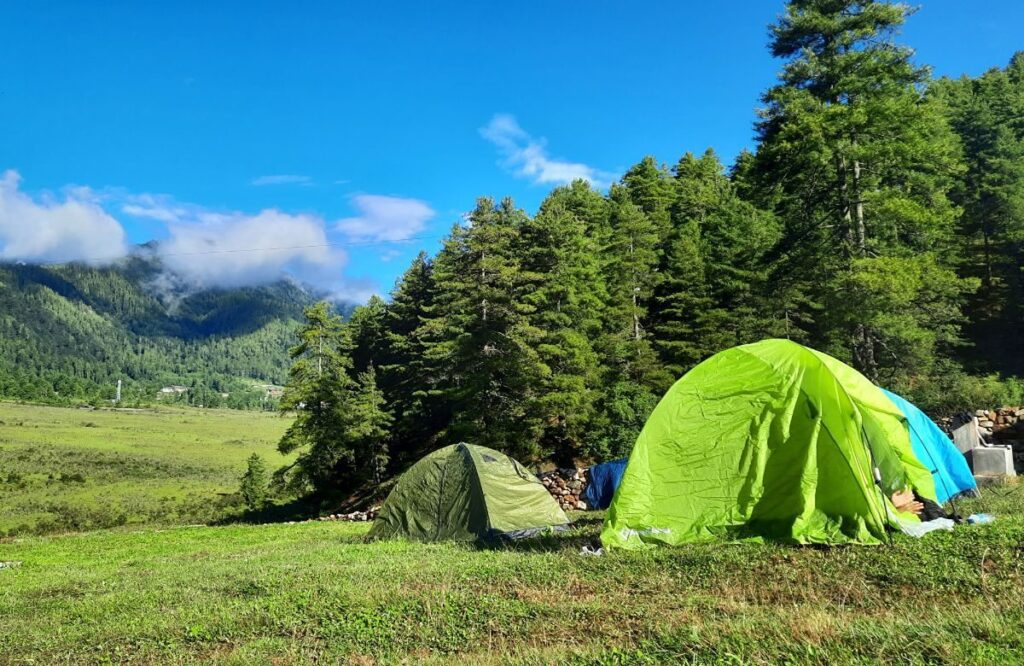
It is a serious undertaking and we will not pretend otherwise. Seven days of walking, six nights camping, sustained time above 4,000 metres and a high pass on the way out. You should be a regular hill walker comfortable with consecutive long days.
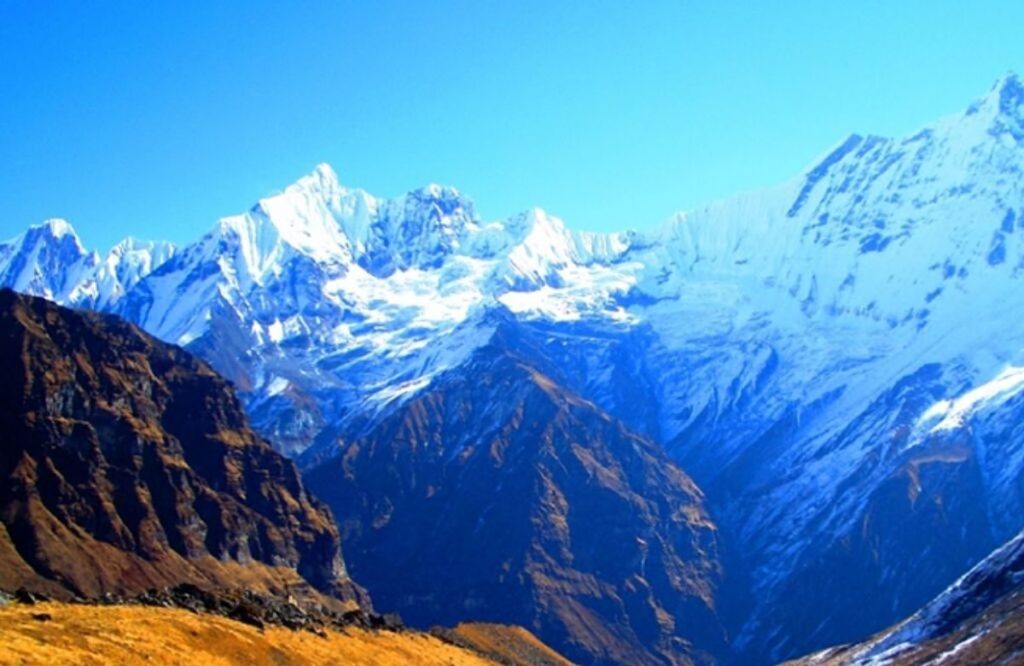
In exchange you get the finest mountain scenery in Bhutan, the village of Soe and its yak herders, and a rest day at Jangothang that is among the most memorable places any of our guests sleep.
Arrive Paro
Met at arrivals, easy afternoon in the valley, kit check with your trekking guide after dinner.
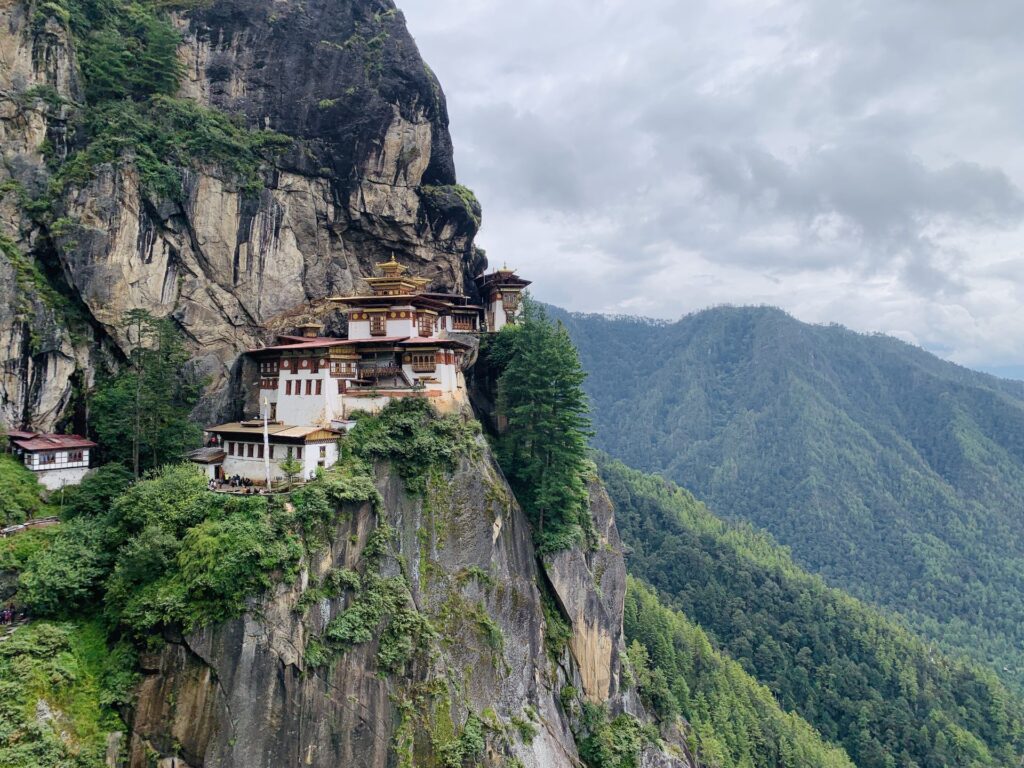
Taktsang
The Tiger’s Nest from first light — 900 m of ascent, five hours return, and a useful read on your acclimatisation.
Paro — rest and prepare
A genuinely slow day: the National Museum, a valley drive, and time to sort kit. Resisting the urge to do more now pays for itself at 4,000 metres.
Drive to Shana, trek to Thangthangkha
Drive to the trailhead at Shana, then walk up the Paro Chhu through blue pine and oak. A long first day but with modest ascent; the valley narrows as you go.
Thangthangkha to Jangothang
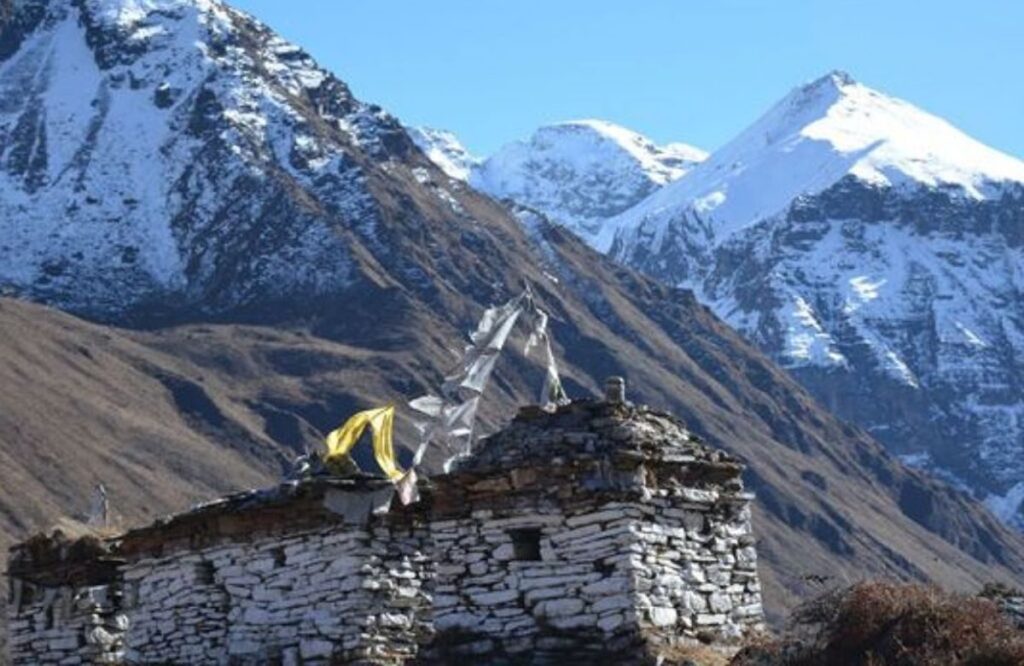
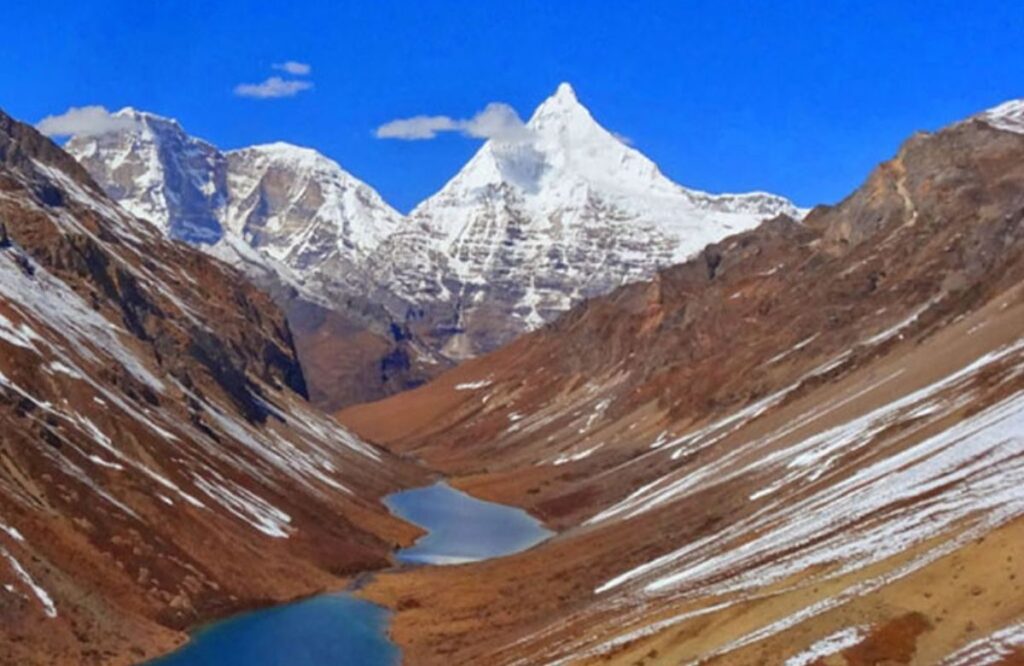
Above the treeline into open high country. Army post at Soe, yaks on the slopes, and — if the cloud lifts in the afternoon — Jomolhari directly ahead of you for the last hour.
Jangothang — rest day
The best day of the trek. Options depending on how you feel: up towards Tsophu lakes, or the ridge above camp for the view down the valley. Or nothing at all, which is a legitimate choice at 4,080 m beneath that face.
Jangothang to Lingshi
The big one. Over the Nyile La at 4,890 m, with Jomolhari and Jichu Drake behind you and blue sheep usually visible on the slopes. Long descent to camp below Lingshi Dzong.
Lingshi to Shodu
Over the Yelila pass and down into forest again, following the Thimphu Chhu. The vegetation returns quickly and the air feels thick after three days high.
Shodu to Barshong
Down the river past waterfalls and cliff-face meditation caves to the ruins of Barshong Dzong. A shorter, gentler day.
Barshong to Thimphu
The last walking day — a descent through dense forest to the road head at Dodena, then the drive into the capital. Hot shower, hot stone bath, real bed.
Thimphu to Paro
A recovery day with the capital at walking pace — the Memorial Chorten, the weekend market if the timing works — then west to Paro.
Depart
Breakfast and the airport.
Replace with your route map graphic.
This is a starting point
This is a demanding route and honesty about fitness serves you better than optimism. Tell us what you walk at home and we will tell you plainly whether it fits.