Aether Bhutan Tours and Travel
Eleven days among the weavers, painters and papermakers of Bhutan
Bhutan teaches thirteen traditional arts — zorig chusum — as a formal discipline, and they are not preserved behind glass. Weaving, thangka painting, woodcarving, papermaking and bronze casting are working trades, practised in houses and workshops you can walk into.
This journey is built around the people who do them. We spend time in weaving houses in Bumthang and Lhuentse, with thangka painters in Thimphu, at a paper mill where daphne bark becomes deysho, and in a bronze workshop where butter lamps are cast the way they have been for centuries.
It suits travellers who would rather sit with one weaver for two hours than see four more temples. There are dzongs and monasteries throughout — you cannot avoid them in Bhutan, and would not want to — but the thread running through is the making.

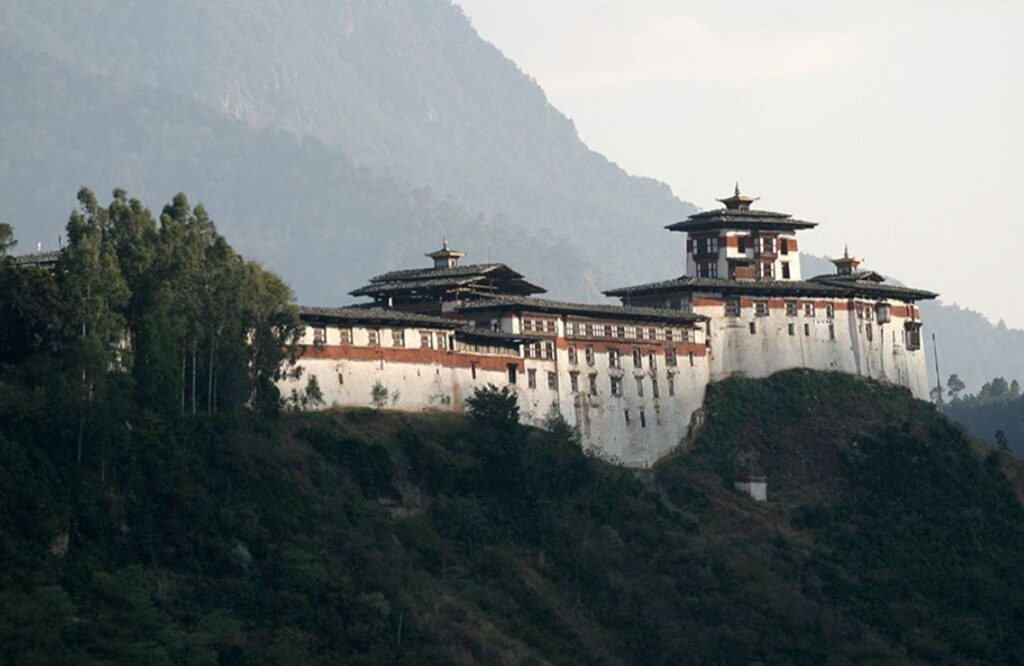
Met at arrivals and an easy first afternoon — Rinpung Dzong, and the painted woodwork on its galleries, which is a useful first lesson in what you will be looking at all week.
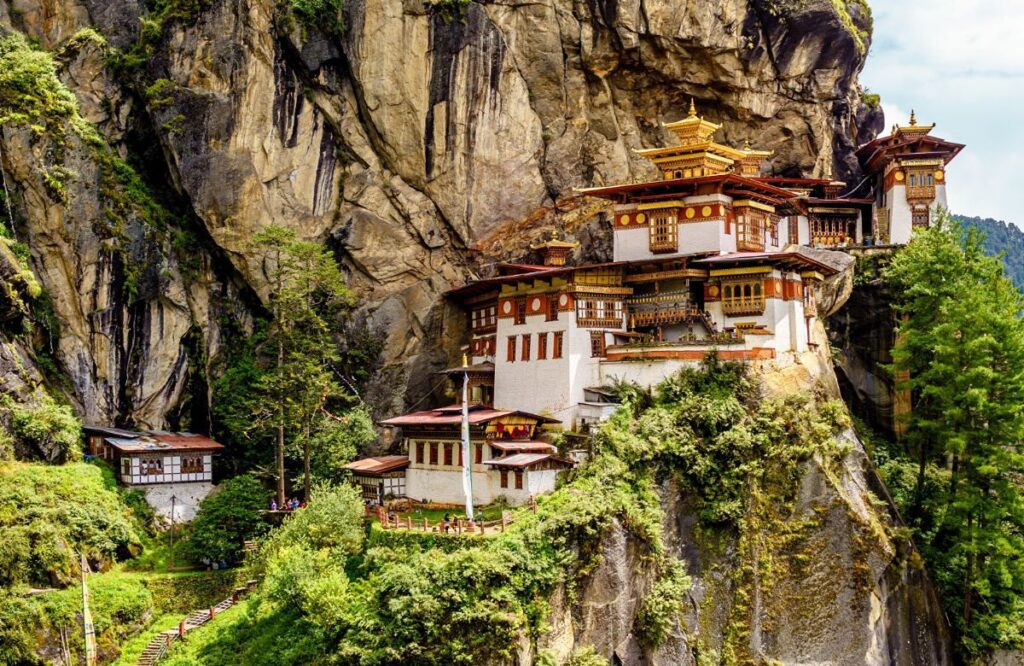
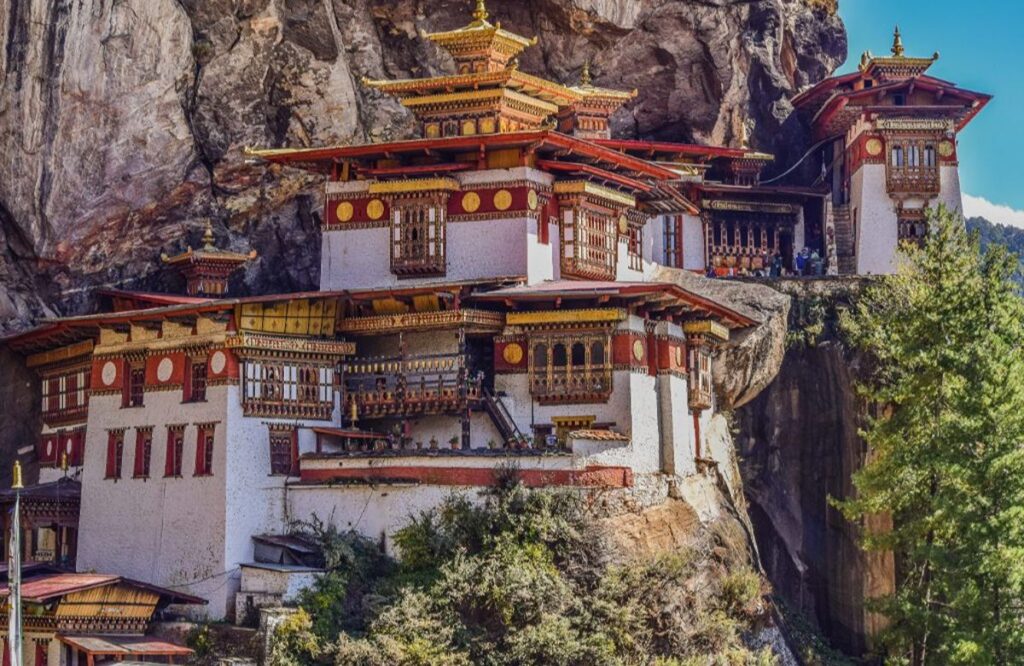
The Tiger’s Nest from first light. Inside, the murals are the reason to go slowly rather than the view.
To the capital, and straight into it: the National Institute for Zorig Chusum, where students of the thirteen arts work in open classrooms and are entirely used to visitors watching.
A thangka painter’s studio in the morning, grinding mineral pigment and laying gold. The Royal Textile Academy after lunch, then the Jungshi paper mill, where daphne bark is beaten and sheets are pulled by hand.
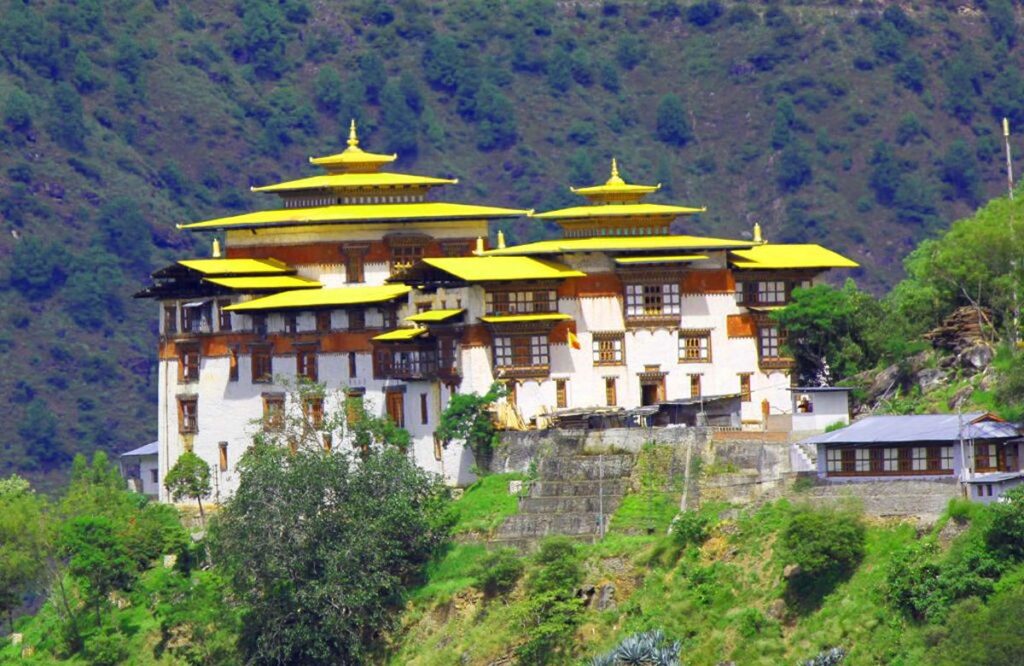
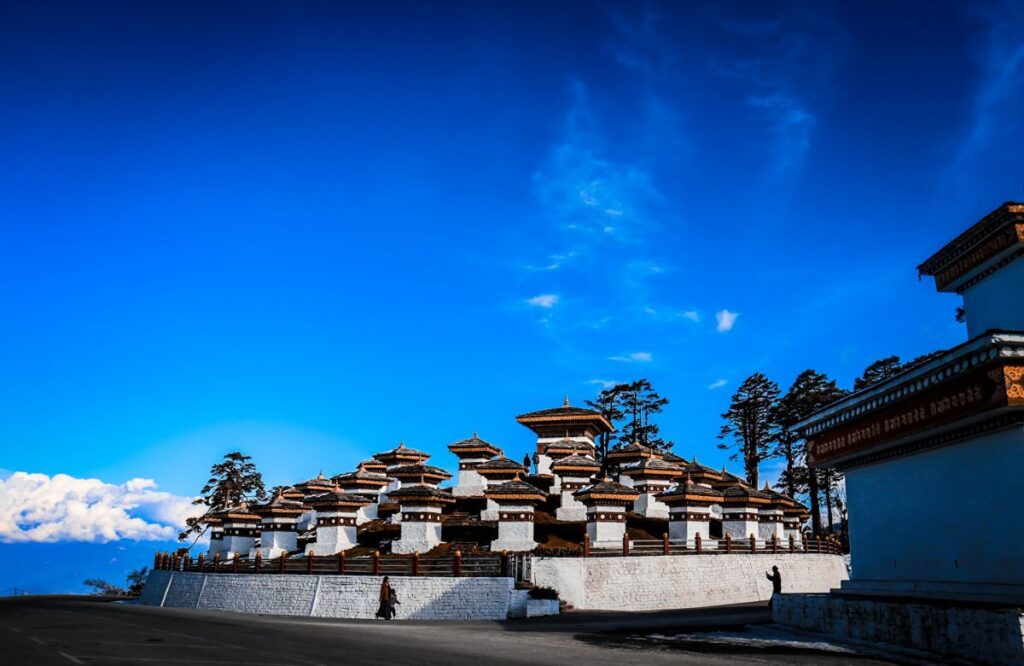
Over the Dochula and down into the warm valley. Punakha Dzong in the afternoon — the assembly hall here holds some of the finest woodwork and mural painting in the kingdom.
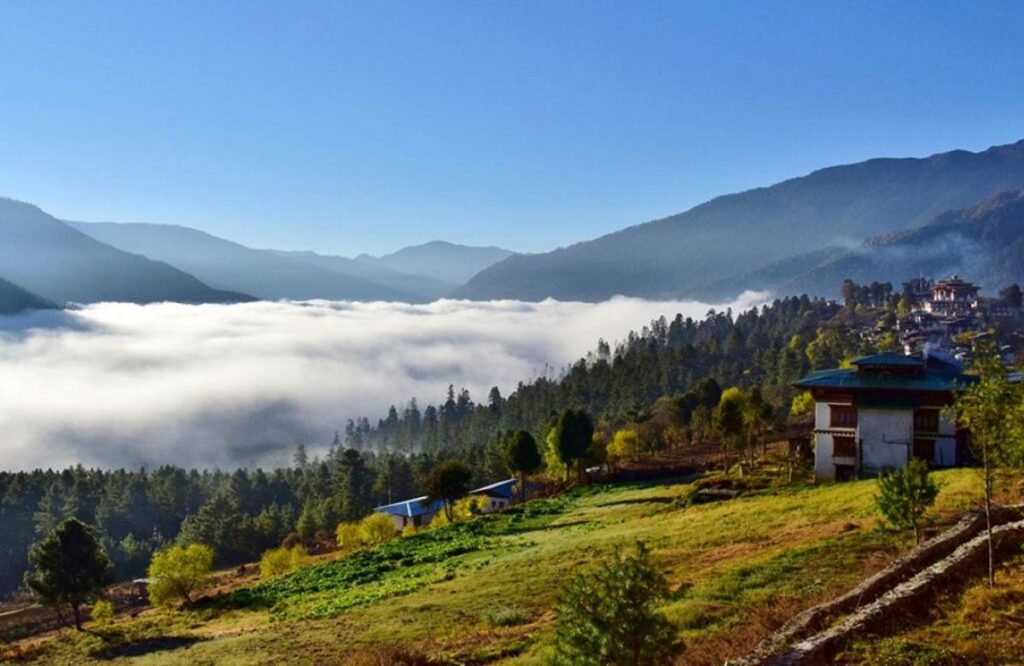
Up into the glacial valley. The Black-Necked Crane centre, Gangtey Goenpa, and a village workshop where bamboo is worked into the baskets every Bhutanese family carries to a festival.
A long day east over two passes, through Trongsa. Worth it — Bumthang is where the weaving deepens.
A morning in a weaving house, at a backstrap loom, with your hands on it. Yathra — the woollen textile of the Chhume valley — in the afternoon, where it is dyed and woven into the blankets you will see on every bed.
Jambay Lhakhang and Kurjey Lhakhang in the morning; a bronze workshop after lunch, where butter lamps and ritual instruments are cast by lost-wax, largely unchanged.
The long drive west, or the domestic flight if the schedule allows — we will advise. Last evening in Paro with a hot stone bath.
Breakfast and the airport.
No obligation, and no sales sequence afterwards.
Every one of these is a starting point, not a fixed package.
The full traverse, including the weaving villages of Trashi Yangtse.
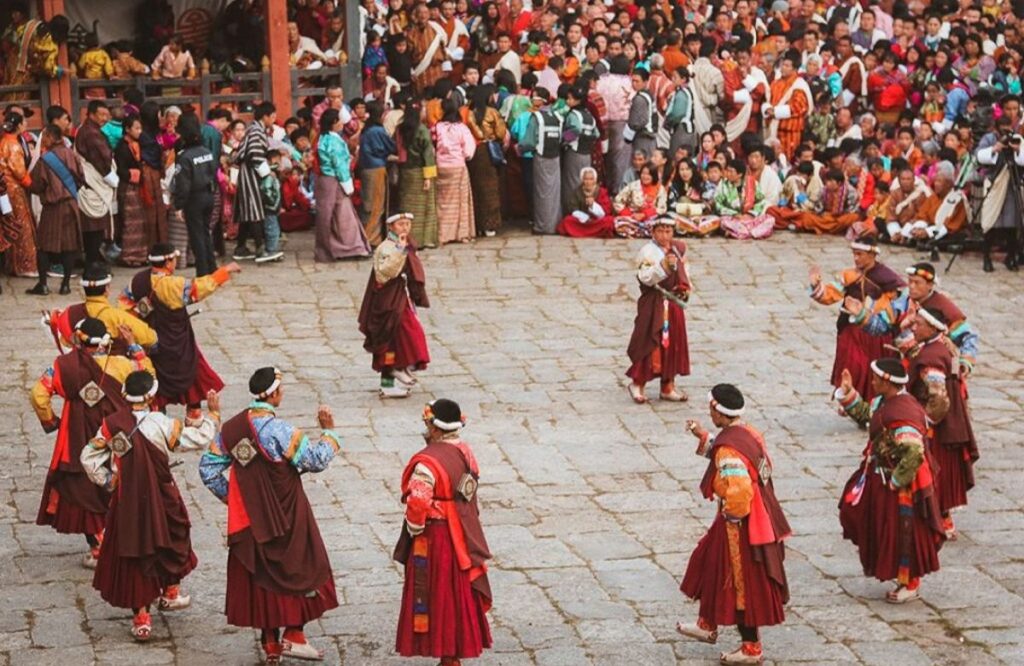
Paro Tshechu, where all of this is worn rather than displayed.
The same valleys at the other end of the comfort scale.
If there is a craft you particularly want time with — or one you would rather skip — say so and we will rebalance the days.